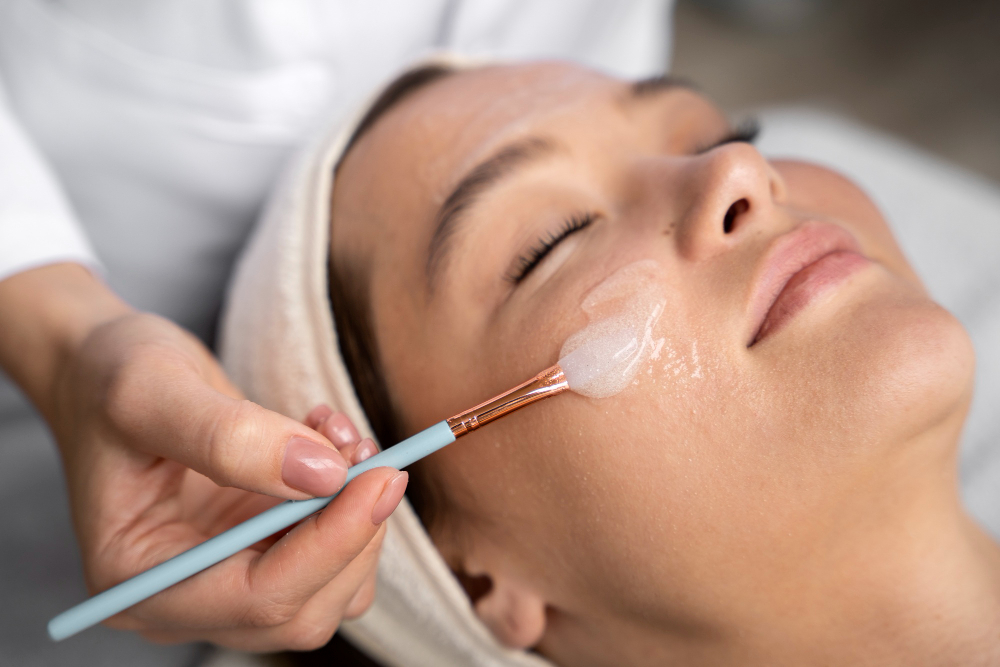
Chemical peeling is a popular skin treatment that helps improve skin texture and appearance. Many people choose chemical peels for smoother, brighter skin. In fact, the benefits of chemical peeling include reducing fine lines, fading dark spots, and treating acne scars. If you are looking for skin rejuvenation with chemical peeling, this guide will explain the advantages of chemical peels and what you should know before trying one.
What is Chemical Peeling?
Chemical peeling is a cosmetic procedure that uses a special solution to remove the top layers of skin. As a result, new skin grows back smoother and clearer. There are different types of chemical peels, such as light, medium, and deep peels. Each type targets different skin concerns. For example, light peels treat mild discoloration, while deep peels address deeper wrinkles. Dermatologists or certified cosmetologists usually perform these treatments in clinics or medical spas.
Key Benefits of Chemical Peeling
Chemical peeling offers many advantages for your skin. Not only does it improve appearance, but it also helps with several skin problems. Here are some key benefits:
Additionally, chemical peeling can make your skincare products work better. After a peel, your skin absorbs creams and serums more easily.
Who Can Benefit from Chemical Peeling?
Many people can enjoy the advantages of chemical peels. However, some skin types and conditions respond better than others. You may benefit from chemical peeling if you have:
Even so, chemical peeling may not suit everyone. For instance, people with very sensitive skin or certain medical conditions should consult a doctor first. If you are considering chemical peeling in your city, always choose a certified professional for safe results.
How Chemical Peeling Works
During a chemical peel, a specialist applies a chemical solution to your skin. This solution causes the top layer to peel off over several days. As the old skin sheds, new skin forms underneath. This new skin looks smoother and feels softer. Depending on the type of peel, you may notice results in a few days or weeks. Light peels have little downtime, while deeper peels may need more recovery time.
Safety, Risks, and Side Effects
Chemical peeling is generally safe when performed by trained experts. Still, like any procedure, it has some risks and side effects. Common side effects include:
Rarely, chemical peels can cause infection, scarring, or changes in skin color. To reduce risks, always follow your provider’s instructions. The American Academy of Dermatology and other trusted sources recommend choosing a licensed professional for chemical peels (AAD).
Aftercare and Recovery Tips
Proper aftercare helps your skin heal and gives you the best results. Here are some tips to follow after a chemical peel:
Moreover, avoid harsh treatments or makeup until your skin fully recovers. Healing time depends on the type of peel, but most people see improvement within one to two weeks.
Frequently Asked Questions
In summary, chemical peeling offers many benefits for smoother, brighter skin. However, it is important to consult a certified cosmetologist to find out if chemical peeling is right for you.